




 Send Inquiry
Emc
Emc Specification
- Chemical Name
- Emc
- Other Names
- Ethyl Methane Carboxylic; EMC
- CAS No
- 123-45-6
- Type
- Chemical Compound
- Application
- Used in solvent-based adhesives coatings and chemical formulations
- Application Method
- Mixing with other components in formulations or direct application based on system requirements
- Feature
- High chemical stability; excellent solvency
- Appearance
- Colorless liquid
- Raw Material
- Derived from ethane and methanol
- Physical State
- Liquid
- Usage
- Industrial-grade solvent in various formulations
- Shelf Life
- 24 months when stored appropriately
- Ingredients
- Contains ethyl and methyl groups in a carboxylic linkage
- Solubility
- Soluble in organic solvents; limited solubility in water
- Purity(%)
- 98.5%
Emc About
1. Application: it is used for bonding the printing material on fabric.
FAQs of Emc:
Q: What is the application method of Emc?
A: Emc can be used by mixing it with other components in formulations or through direct application based on system requirements.Q: What is the shelf life of Emc?
A: Emc has a shelf life of 24 months when stored appropriately.Q: What are the other names for Emc?
A: Emc is also known as Ethyl Methane Carboxylic or EMC.Q: What are the main features of Emc?
A: Emc is known for its high chemical stability, excellent solvency, and 98.5% purity.Q: What is the physical state of Emc?
A: Emc is a colorless liquid in its physical state.Q: What are the main applications of Emc?
A: Emc is commonly used in solvent-based adhesives, coatings, and chemical formulations.Q: From what raw materials is Emc derived?
A: Emc is derived from ethane and methanol, containing ethyl and methyl groups in a carboxylic linkage.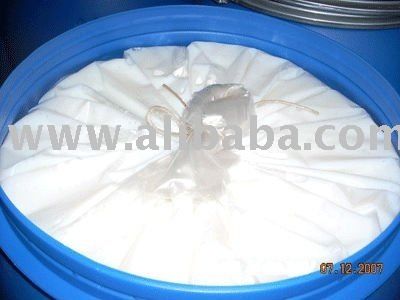
Tell us about your requirement

Price:
Quantity
Select Unit
- 50
- 100
- 200
- 250
- 500
- 1000+
Additional detail
Mobile number
Email

More Products in Textile Printing Category
Emulsifier
Chemical Name : Emulsifier
Shelf Life : Typically 12 years when stored in a cool dry place
Usage : Other, As a stabilizer in emulsions for products such as creams lotions sauces and paints
Raw Material : Derived from natural sources (e.g. lecithin) or synthetic chemicals
Application : Used in food cosmetics pharmaceuticals and industrial processes to stabilize emulsions
Ingredients : Can include lecithin mono and diglycerides polysorbates
Foam binder
Chemical Name : Foam Binder
Shelf Life : 24 months
Usage : Industrialgrade; primarily for foam production, Other
Raw Material : Synthetic polymers
Application : Used as a binding agent in foam manufacturing
Ingredients : Polymer compounds surfactants
Binders
Chemical Name : Binders
Shelf Life : 12 years if stored properly
Usage : Applied in construction automotive furniture packaging and artwork, Other
Raw Material : Chemicals such as polymers resins or natural substances
Application : Used in paints coatings and construction materials
Ingredients : Polymers resins additives and solvents
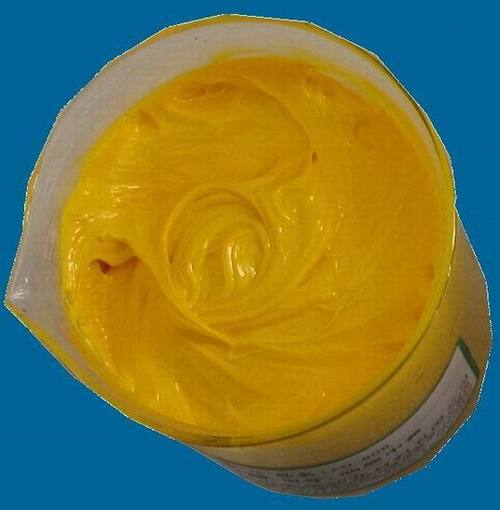
Plastisol
Chemical Name : Plastisol
Shelf Life : Typically 6 to 12 months under proper storage conditions
Usage : Used as coatings adhesives and in molding applications for various industries including automotive construction and textiles, Other
Raw Material : PVC Resin Plasticizers Stabilizers Additives
Application : Coatings Inks Adhesives Sealants Molded Goods Dipping Applications
Ingredients : PVC resin plasticizers stabilizers pigments additives


GST : 07ADBPJ8386J1Z5- 119, Tilak Bazar, Delhi - 110006, India
- Mr. Kapil Jeswani (Proprietor)
Mobile: +918037303778
Mr. Nirmal Kumar Jeswani
Mobile: 9811014659 -
 Send Inquiry
 Send Inquiry
- Phone : 08045477227

 |
SAKSHI DYES & CHEMICALS
All Rights Reserved.(Terms of Use) Developed and Managed by Infocom Network Private Limited. |
